Climate control

The other half of the loop: vents, shade and weather

A dosing head cannot rescue a crop that cooked at noon. Film-roll vents, shade screens, fans and heating are switched by the same controller as fertigation — one rule set, one log, one alarm list.

Request a quote See the dosing range

Everything on this page runs on 12–27 V DC. It does not care whether the site is 50 Hz or 60 Hz.

Cloud + phone reports · alarms · rules EasyGrow K1 controller 11 relays · 5 RS485 buses LoRa / 4G gateway Modbus RTU · MQTT rules run on site Rain sensor ES-GRD-RS485 · Modbus Weather station WS150-G · 6 parameters Soil probe SMR200 · 4G, battery Film-roll vents S100P · 2 × 300 W Shade screens limit switch, not a timer Valves, fans, heat relay 10 A / 250 VAC A rain stop does not wait for the cloud — the rule sits in the controller.

Sensors on RS485 or LoRa, actuators on relays, and the rules in the controller. Nothing in this path needs the cloud to be up.

What the controller switches

Four actuator families cover most greenhouses. All of them are ordinary 10 A relay loads, which is why they live on the same board as the dosing valves.

Film-roll vents

Up to two 300 W motors per S100P module, over LoRa or 4G. 128 nodes per gateway on a 30-second heartbeat, with measured packet loss under 1%.

Shade screens

The same module drives screen motors. Position comes from limit switches, not from a run timer, so a screen stops where it was told to stop.

Irrigation

A rain rule can close the valves it watches. Detection takes under five seconds, and the rule lives in the controller — not in the cloud.

Fans, heating, lighting

Eleven relay outputs at 10 A / 250 VAC: fans, heating valves, lighting contactors, pumps. Third-party equipment, switched — not replaced.

Limit switches, not timers

A vent closed on a run timer is correct twice a season — once when the crop is young, once when it is not. The failure mode is a rolled film left open through a cold night.

S100P monitors each motor's load current, its limit switches and its supply voltage. An obstruction or a broken cable stops that motor and raises an alarm instead of pulling the film through the gutter. A tripped breaker reports as a fault, not as a motor that “just did not move”.

The housing is IPX5 and specified from −20 °C to +70 °C, so it mounts at the vent rather than in a cabinet at the other end of the greenhouse. Short cable runs are also short fault paths.

Where the decisions run

  • Threshold rules (temperature, humidity, wind, light) run on the controller, on site
  • LoRa nodes keep working when the 4G link drops — the local loop is not the cloud loop
  • Telemetry and remote changes are the second layer, not the safety layer

The hardware

Six modules cover sensing, switching and the uplink. Specifications below are from the current datasheets; accessories ship with a head unit or as a retrofit kit.
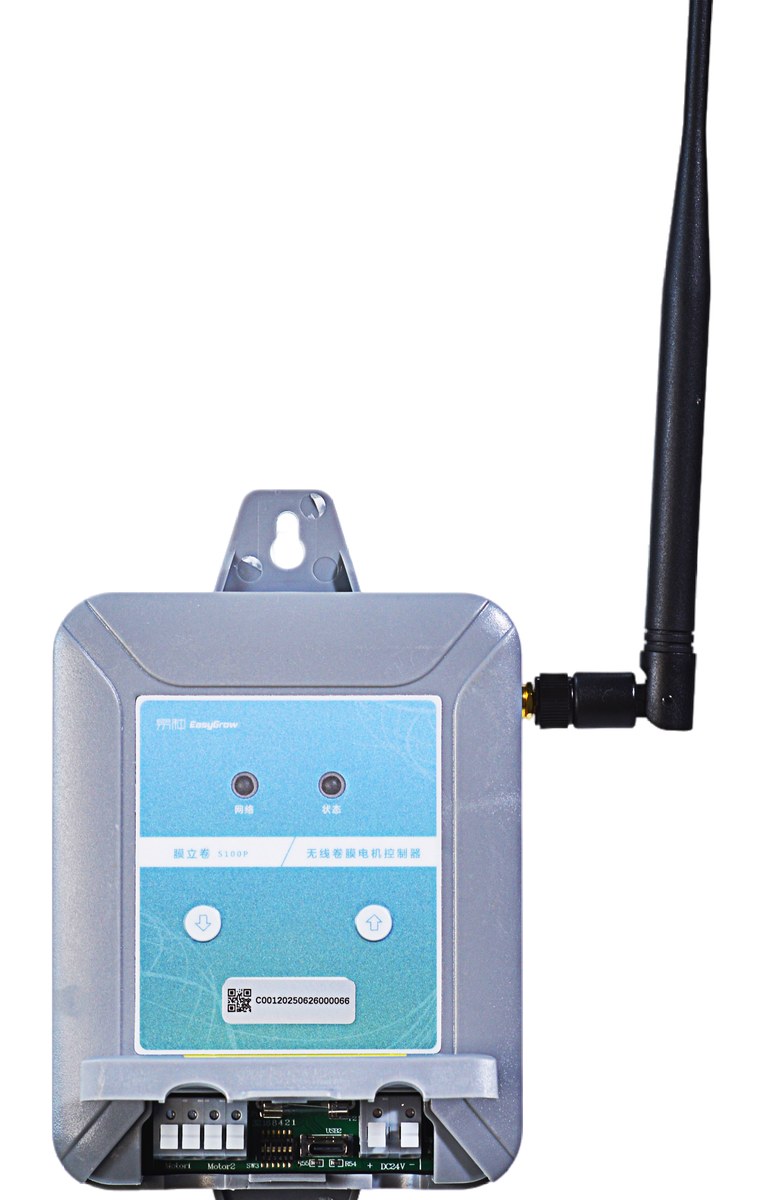
S100PINSTROLL film-roll controller

S100P

Two motors per module, over LoRa or 4G, with limit and load monitoring.

  • 2 motors ≤ 300 W each
  • LoRa / 4G · 128 nodes per gateway
  • IPX5 · −20 to +70 °C
  • Overload, open-circuit and limit detection
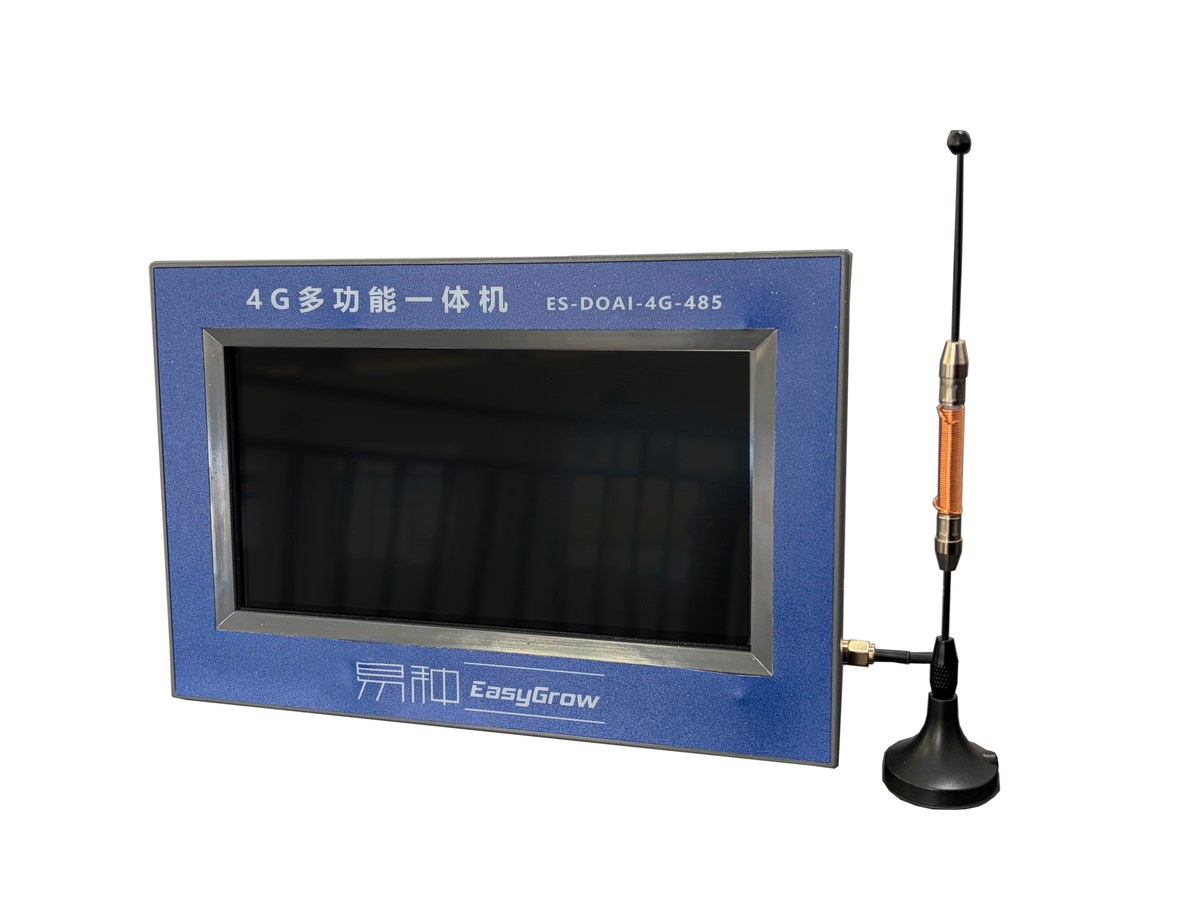
K1 controllerController

K1 controller

The cabinet controller: relays for every actuator, RS485 for every sensor.

  • 11 relays at 10 A / 250 VAC
  • 5 independent RS485 buses
  • 2 AI (4–20 mA) · 4 isolated DI
  • 4G, Ethernet, 7-inch touchscreen
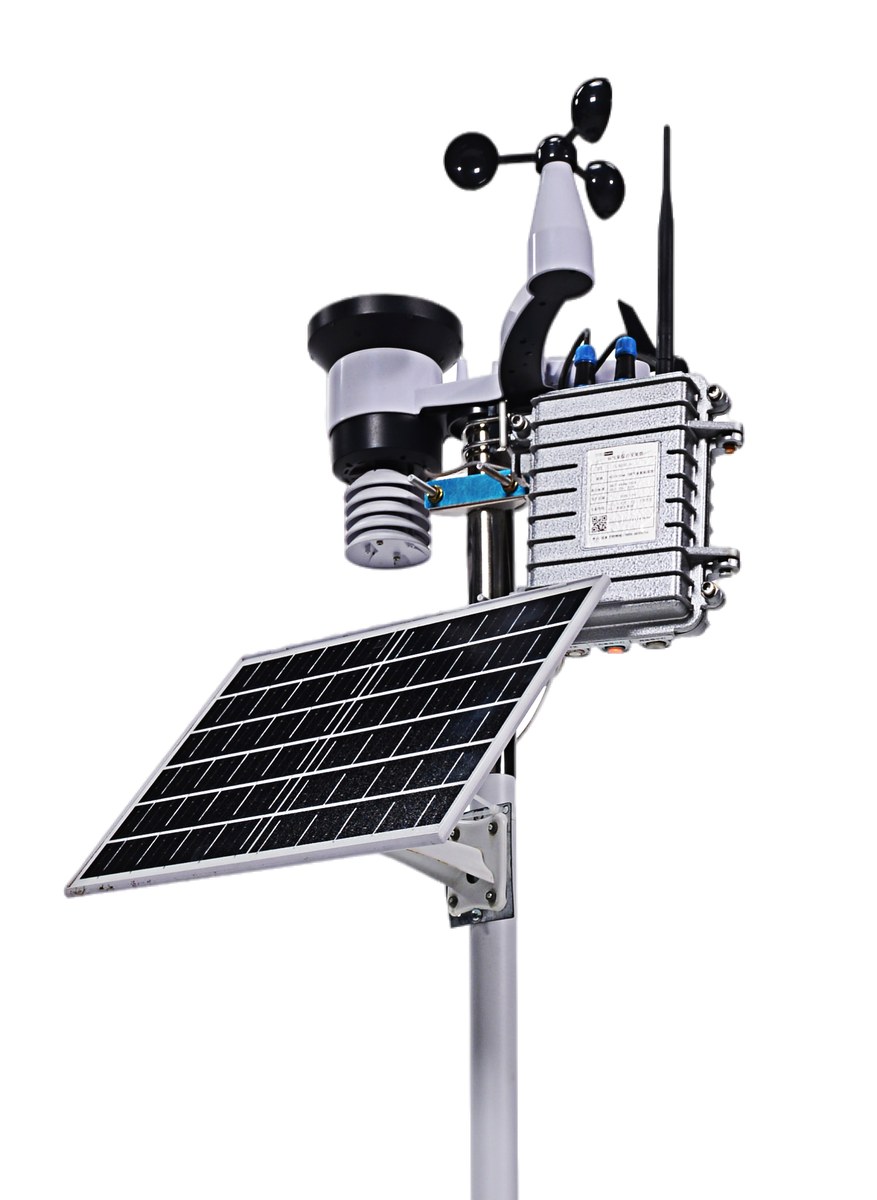
WS150-GWeather station

WS150-G

Six parameters on one pole, solar-powered, reporting over 4G or LoRa.

  • Temperature ±0.3 °C · humidity ±3%
  • Wind 0–50 m/s ±0.5 m/s · direction ±10°
  • Rain ±1 mm under 15 mm, ±7% above
  • Light 0–200,000 lux · UV index to 15
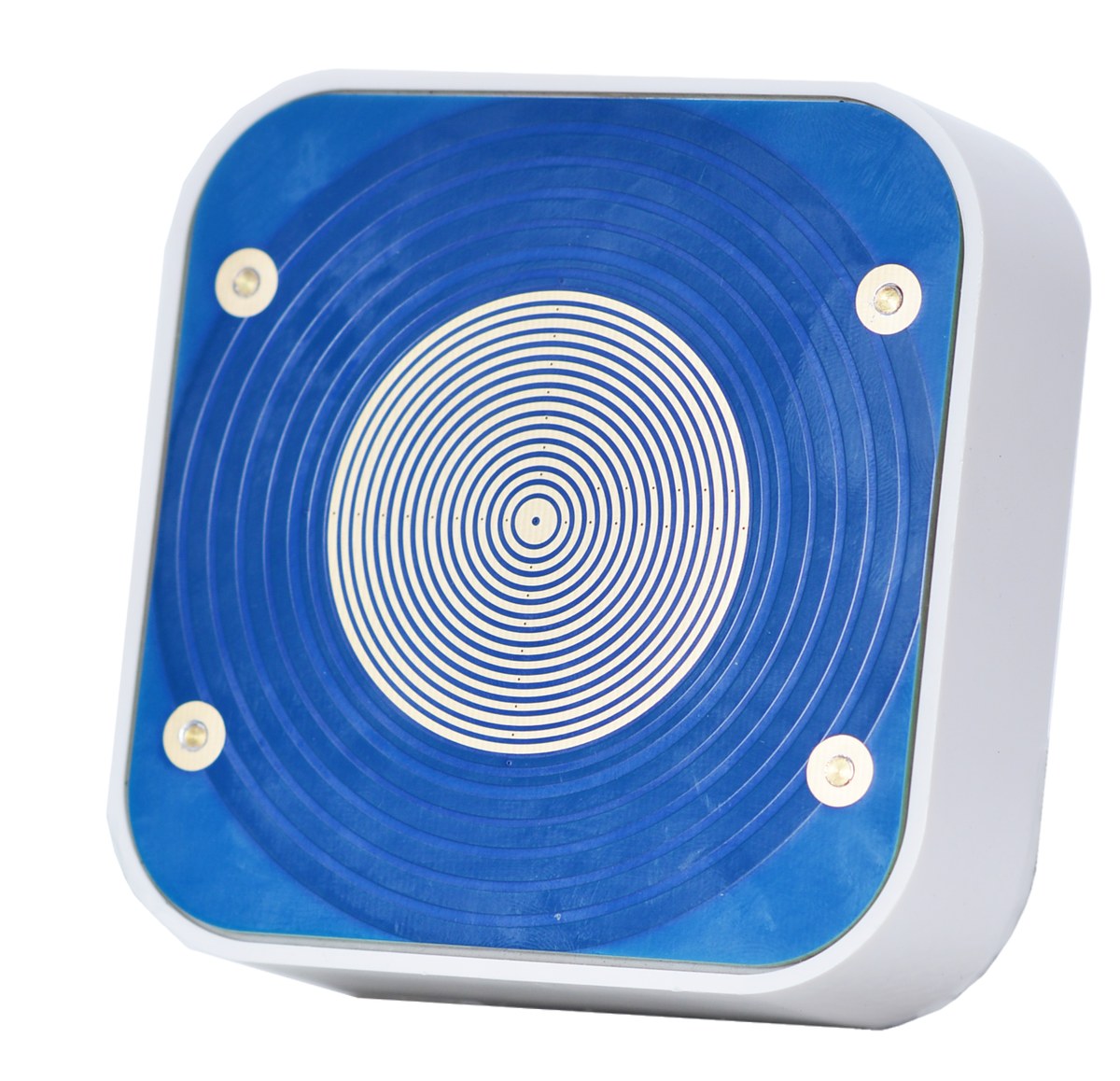
ES-GRD-RS485Rain sensor

ES-GRD-RS485

Closes the irrigation cycle before the rain reaches the block.

  • Detection in ≤ 5 s
  • 12–30 V DC · 0.4 W, 6 W with heater
  • RS485 Modbus RTU · analog intensity
  • −40 to +80 °C
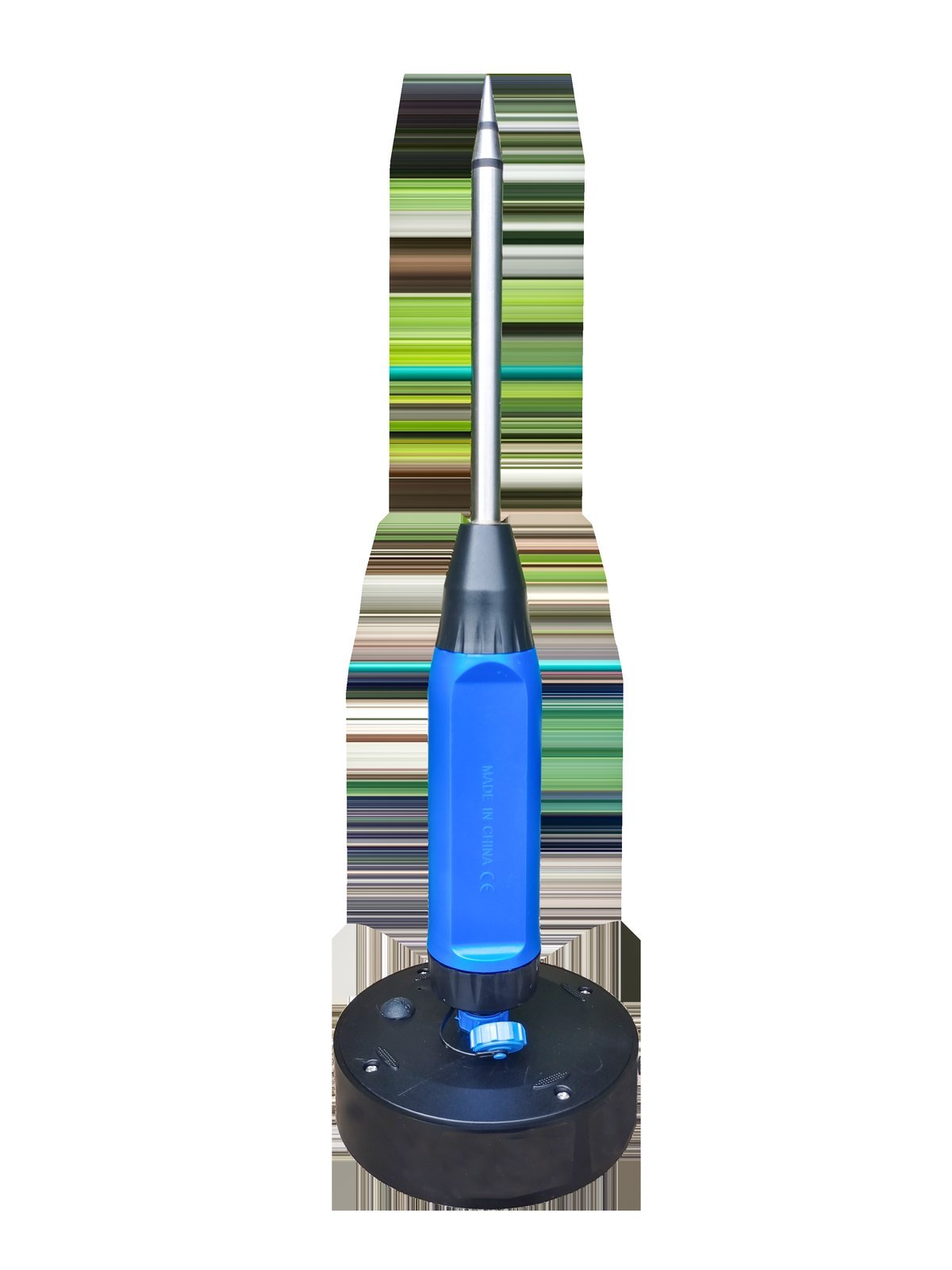
SMR200Soil probe

SMR200

Battery probe with 4G uplink, for blocks where there is no power.

  • EC 0–20,000 µS/cm (±3%, ±5% above 10,000)
  • Moisture ±3% · temperature ±0.5 °C
  • 3,000 mAh battery, USB charging
  • Anti-corrosion electrodes
Edge gateway

ES66

Optional local computer when the site has to keep running without a connection.

  • Rockchip RK3566, Android / Ubuntu 22.04
  • 8 relay outputs · 4 AI (4–20 mA) · 4 DI
  • 4 RS485 ports on 2 buses · M.2 4G · 2 × LoRa
  • Backup and restore to SD

One system, or two?

Climate control and fertigation are usually bought from different vendors, and the commissioning budget pays for making them agree. Here both run on the same controller and the same rule engine: “if the vents open on a temperature jump, do not start a nutrient cycle into a hot canopy” is one line, not an integration project.

The honest counterpoint: every module speaks Modbus RTU or MQTT, so it also works with a controller you already own. We sell it as one system because it is cheaper to commission, not because it cannot be separated.

Open interfaces

  • RS485 Modbus RTU, function codes 03 and 06
  • MQTT for telemetry, any broker you already run
  • LoRa for battery nodes where no cable can be pulled
  • 4G or Ethernet for the uplink; wired fallback on the K1
  • Android / Ubuntu on the ES66 if you want your own logic on site

Specify climate and irrigation together.

Send the greenhouse dimensions, the number of vents and screens, and the crop. You get a module count, a wiring sketch and an EXW price within two working days.

Start an enquiry